


The Environmental Impact of Invasive Bamboo in New Jersey
At Professional Bamboo Landscapers LLC, we specialize in bamboo removal, containment, and long-term control strategies. Many property owners underestimate bamboo’s impact until it spreads beyond their property boundaries—at which point it becomes far more difficult and costly to manage.
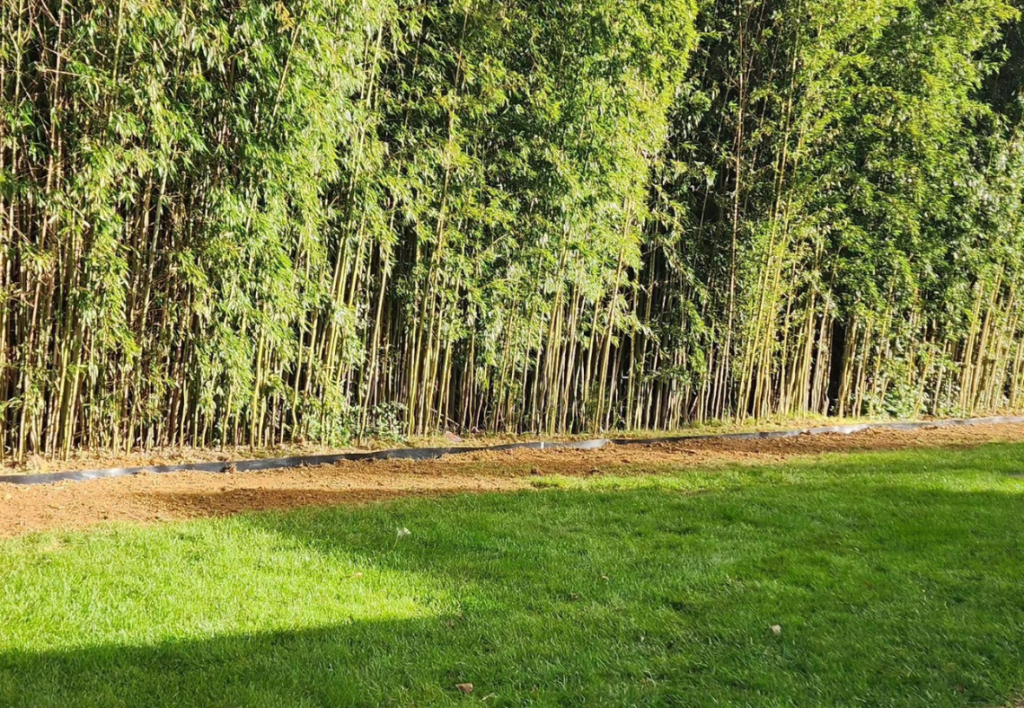
How Bamboo Became Invasive in New Jersey
Bamboo is not native to New Jersey. It was introduced in the late 19th century as an ornamental landscaping plant. Over time, certain species adapted to the local climate and began spreading aggressively.
The most common invasive type is running bamboo, often referred to as golden bamboo. This species spreads through underground rhizomes that:
- Travel significant distances beneath the soil
- Produce new shoots far from the original planting area
- Grow under lawns, fences, sidewalks, and driveways
Because of this hidden growth system, effective bamboo removal requires far more than cutting visible stalks—it demands full underground management.
Environmental Impact on Local Ecosystems
The spread of invasive bamboo has serious ecological consequences across New Jersey.
Loss of Native Plant Species
Dense bamboo growth forms thick canopies that block sunlight and outcompete native plants for water and nutrients. Over time, this leads to reduced biodiversity and the displacement of essential plant species.
Disruption of Wildlife Habitats
As native vegetation disappears, local wildlife loses critical food sources and shelter. Birds, pollinators, and small mammals are especially affected, leading to imbalanced ecosystems.
Soil and Water System Changes
Bamboo’s aggressive root systems can alter soil composition and affect natural water flow. In some cases, this can contribute to poor drainage, erosion, or blockages in natural waterways.
Property and Infrastructure Risks
Beyond environmental concerns, invasive bamboo presents serious risks to residential and commercial properties.
Its strong and persistent rhizomes can lead to:
- Cracked sidewalks and driveways
- Pressure damage to foundations
- Interference with underground utilities
- Encroachment into neighboring properties
These issues often escalate quickly, prompting the need for professional bamboo removal services.
The Role of Professional Bamboo Landscapers LLC
Effective bamboo control requires specialized expertise, equipment, and a strategic approach. Professional Bamboo Landscapers LLC provides tailored solutions specifically designed for properties in New Jersey.
Our services include:
- Complete bamboo removal and rhizome excavation
- Installation of containment systems
- Root barrier design and implementation
- Long-term bamboo management plans
We don’t just remove visible growth—we target the underground system to prevent regrowth and future spread.
Why Professional Management Is Essential
Attempting to remove bamboo without professional support often leads to temporary results. Cutting stalks alone does not stop the underground rhizome network, which can continue spreading for years.
Working with experienced professionals ensures:
- Accurate identification of bamboo species
- Complete removal of underground growth systems
- Compliance with local regulations and property considerations
- Long-term prevention and containment strategies
Final Thoughts
Invasive bamboo is not just a landscaping issue—it is an environmental, structural, and often legal concern for property owners throughout New Jersey. Left unmanaged, it can spread rapidly and cause lasting damage to both ecosystems and infrastructure.
Professional Bamboo Landscapers LLC provides the expertise and solutions needed to effectively control and eliminate invasive bamboo. Taking action early is critical to protecting your property and preserving the surrounding environment.